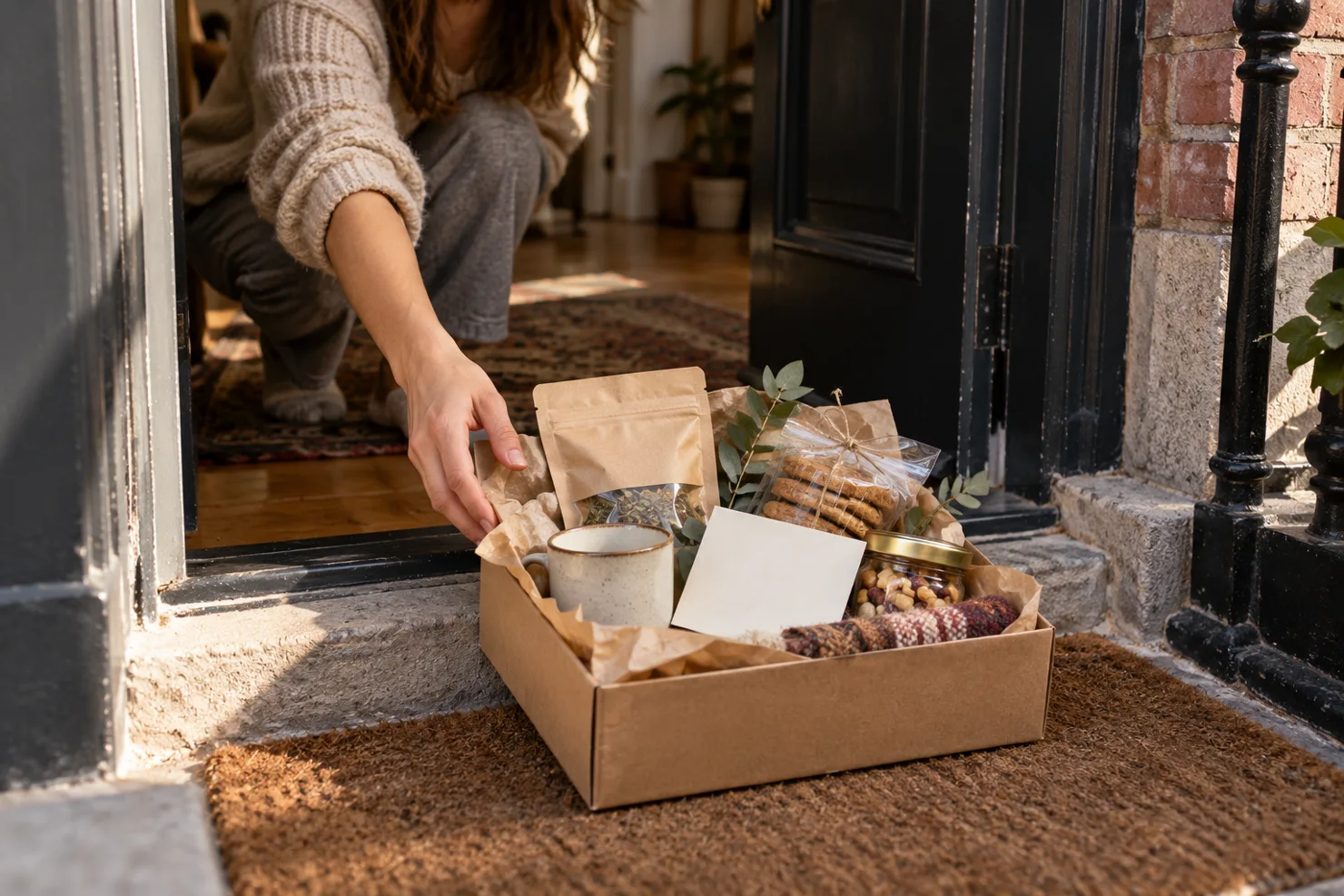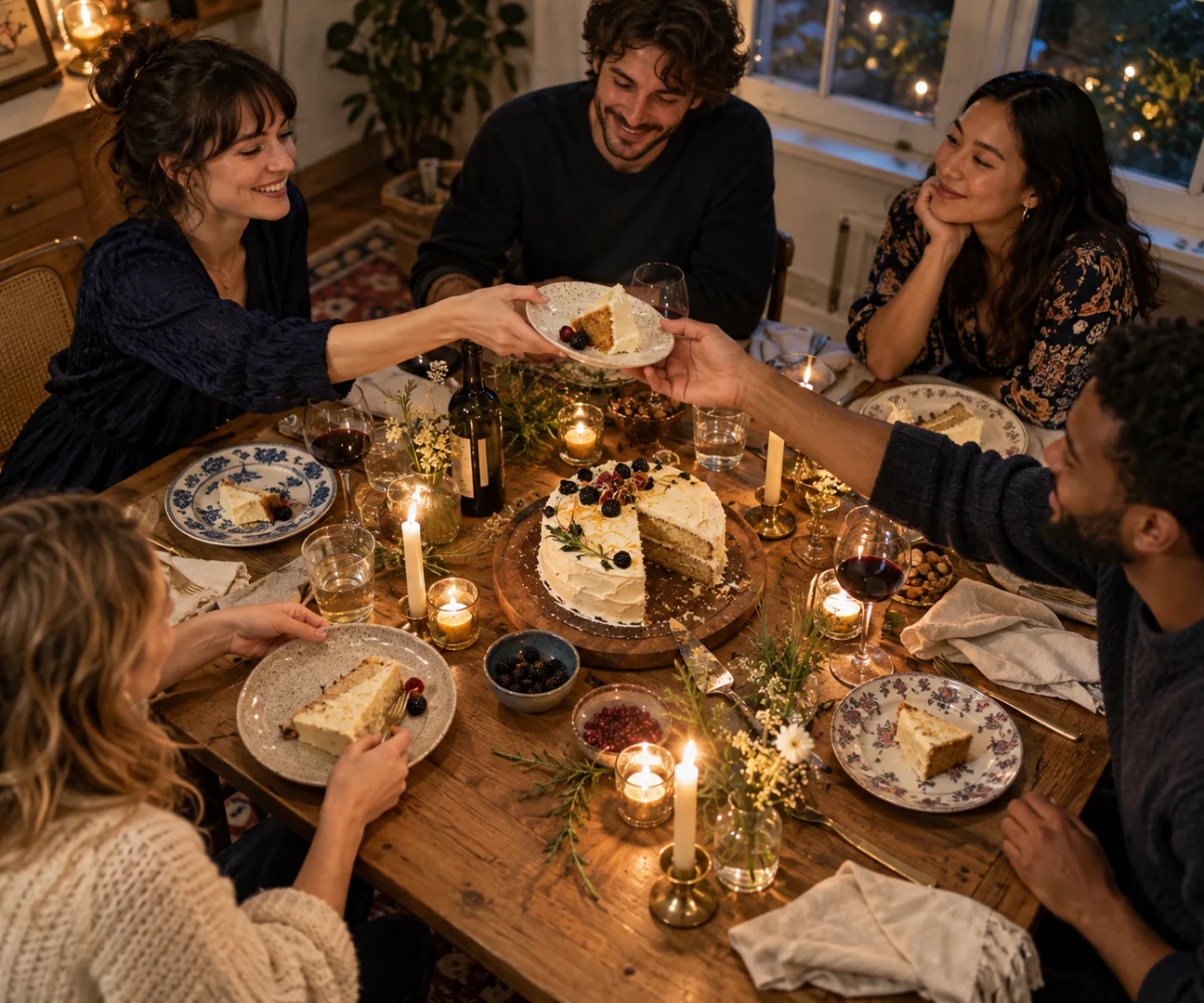
A birthday at home can feel deliberate without a packed schedule. Give the gathering one clear center: a meal, a ritual, or a shared activity. Then remove anything that competes with it.
Choose a format the guest of honor would enjoy
Start with their social battery. Someone who loves a room full of friends may enjoy an open house; someone who wants a quiet day may prefer breakfast with two people. Ask whether a surprise is welcome before organizing one. A small celebration feels generous when the guest does not have to manage it.
Four reliable formats are a slow brunch, a favorite-film evening, a backyard dessert hour, and a walk ending with cake. Each has a natural beginning and end. Give guests the start time, expected length and whether food is being served so they can arrive comfortably.
Build around one memorable detail
Pick one element linked to the person: their favorite seasonal fruit, a playlist from a shared trip, the flowers they buy for themselves, or a recipe from a family member. Let that detail appear in the table setting or activity. You do not need matching plates, a balloon arch and party favors for the occasion to feel coherent.
For a reader who enjoys the ritual of candles, set out a small dessert and invite each guest to share a brief memory. If the person dislikes being the focus of a speech, place written notes in an envelope for later instead.
A simple two-hour timeline
| When | What happens | Host preparation |
|---|---|---|
| Before guests | Set the table and queue music | Clear a place for coats |
| First 30 minutes | Drinks and conversation | Offer one easy snack |
| Middle hour | Meal or shared activity | Keep supplies within reach |
| Final 30 minutes | Cake and send-off | Have containers for leftovers |
A schedule is a support, not a script. Leave enough space for conversation. If the group is small, one prepared question about a favorite trip or recent discovery can help people who do not know one another.
Food that lets you join the party
Choose dishes you can prepare ahead: a baked pasta, a grain salad, a platter of sandwiches, or soup in a slow cooker. Check allergies directly rather than assuming the absence of a warning means there are none. Water, a nonalcoholic option and a labeled serving utensil for each dish make the table easier for everyone.
For dessert, a bakery cake is entirely reasonable. Serve it on a plate you like and let the moment carry the meaning. If baking is your pleasure, pick a recipe you have made before rather than testing a complex new cake on the day.
Give guests a way to participate
Guests can bring a photograph, a song suggestion, a recipe, or a one-sentence memory. Make the invitation optional and specific. “Bring one song that reminds you of Maya” is more welcoming than “bring something meaningful.” For children, let them make simple paper place cards or decorate a plain gift bag. Participation should add warmth without adding pressure.
A handwritten card can remain the most lasting part of the day. If you need a starting phrase, browse MessageBlessings’ birthday messages, then replace generic details with a memory only you can share.
What to do the day before
Confirm the guest count, clean the spaces people will use and prepare anything that keeps well overnight. Put candles, matches and a serving knife together. Charge a speaker if you plan to use one. Send a short arrival note with parking or door instructions. These small jobs are easy to forget in the hour before guests come.
After the party, send one or two photos to the guest of honor first. Ask before posting images of anyone else, particularly children. The best ending is often a quiet one: leftovers packed, the host present, and the celebrated person free to enjoy the rest of the day.
Write an invitation that sets expectations
The invitation can be a text message. Give the date, start and finish times, location, what food will be served and whether guests should bring anything. “Come for cake from 3 to 5; no gifts, please” is clear and kind. If the guest of honor has asked for a small group, do not expand the list out of politeness to others. A comfortable room matters more than an impressive head count.
Ask before sharing the gathering online. An intimate celebration should not become public simply because somebody takes a good photo. If there are children, ask their caregivers before posting images. A small privacy check protects the mood after the event, too.
Make the room work
Place drinks where people can reach them without crossing the cooking area. Set out a few seats, including a quieter spot where someone can sit away from the crowd. If people will stay after dark, check the walkway and lighting. Put a trash bag and clean hand towels somewhere obvious. These details sound mundane, but they keep the host free to talk to people.
Use music at a level where guests can speak easily. Flowers, a clean tablecloth or a few candles can mark the day; choose one. If the cake is the centerpiece, make sure there is a clear place to put it. A living room does not need to pretend to be a restaurant.
Plan around accessibility and energy
Tell guests about steps, parking limitations or long walks from transit before they arrive. Offer a chair with a back and a place for a drink. Ask the celebrated person what pace would feel good. A child might need a short party before nap time; an older adult might prefer lunch to a late dinner. The right schedule follows the people, not an aesthetic.
Set a realistic finish time. Ending while everyone is still enjoying themselves is often better than letting the gathering exhaust its host or guest of honor. If a friend offers help, assign one concrete job such as picking up ice or taking a group photograph.
When plans change
One guest may cancel, a dish may burn, or rain may make the yard unusable. Keep an indoor spot and one easy backup dish in mind. If the guest of honor is unwell or overwhelmed, reschedule without a speech about how much planning went into the day. The celebration is for them. The memories people keep are usually of being comfortable and together, not of a flawless timeline.
After the candles
Do not rush to turn the gathering into content for everyone else. Pack a slice of cake for the guest of honor, thank anyone who helped, and let the room return to normal. A short note the next day can mention the part of the afternoon you enjoyed most. If guests contributed photographs or memories, send them privately before making a public album.
If you plan to repeat the celebration next year, write down what actually worked: the number of guests, the meal that stayed easy and the time everyone seemed ready to leave. You do not need a template for every birthday. You do need permission to learn from the one you just hosted.
Take one idea that fits the person in front of you. The small detail you can act on today is usually the best place to start.