Celebrations
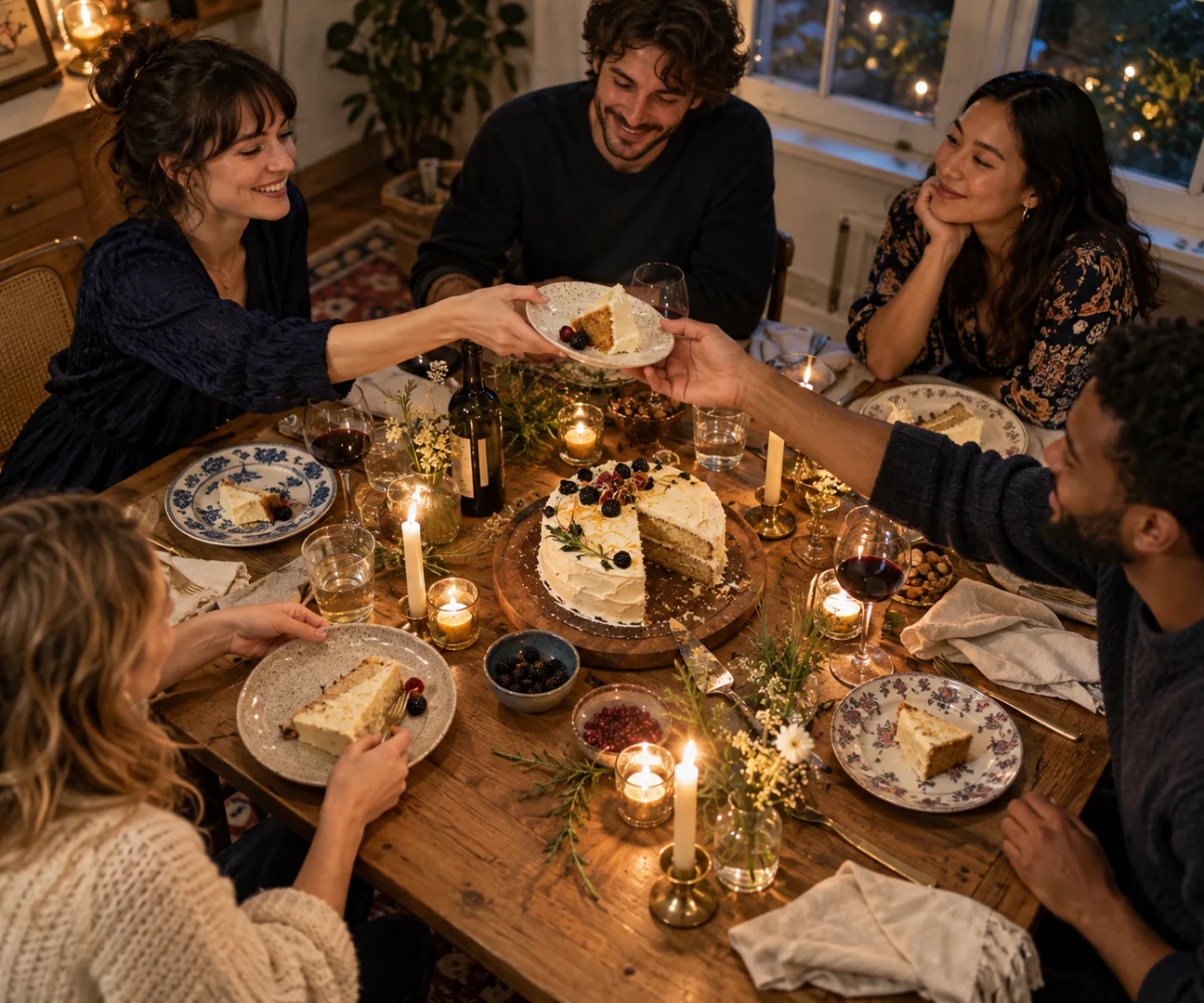
Small Birthday Celebrations That Feel Like an Occasion
Low-key birthday ideas with thoughtful details, timing and simple hosting plans.
Read the storyIdeas for gifts, gatherings and the words that go with them. Thoughtful can be simple.
Explore the stories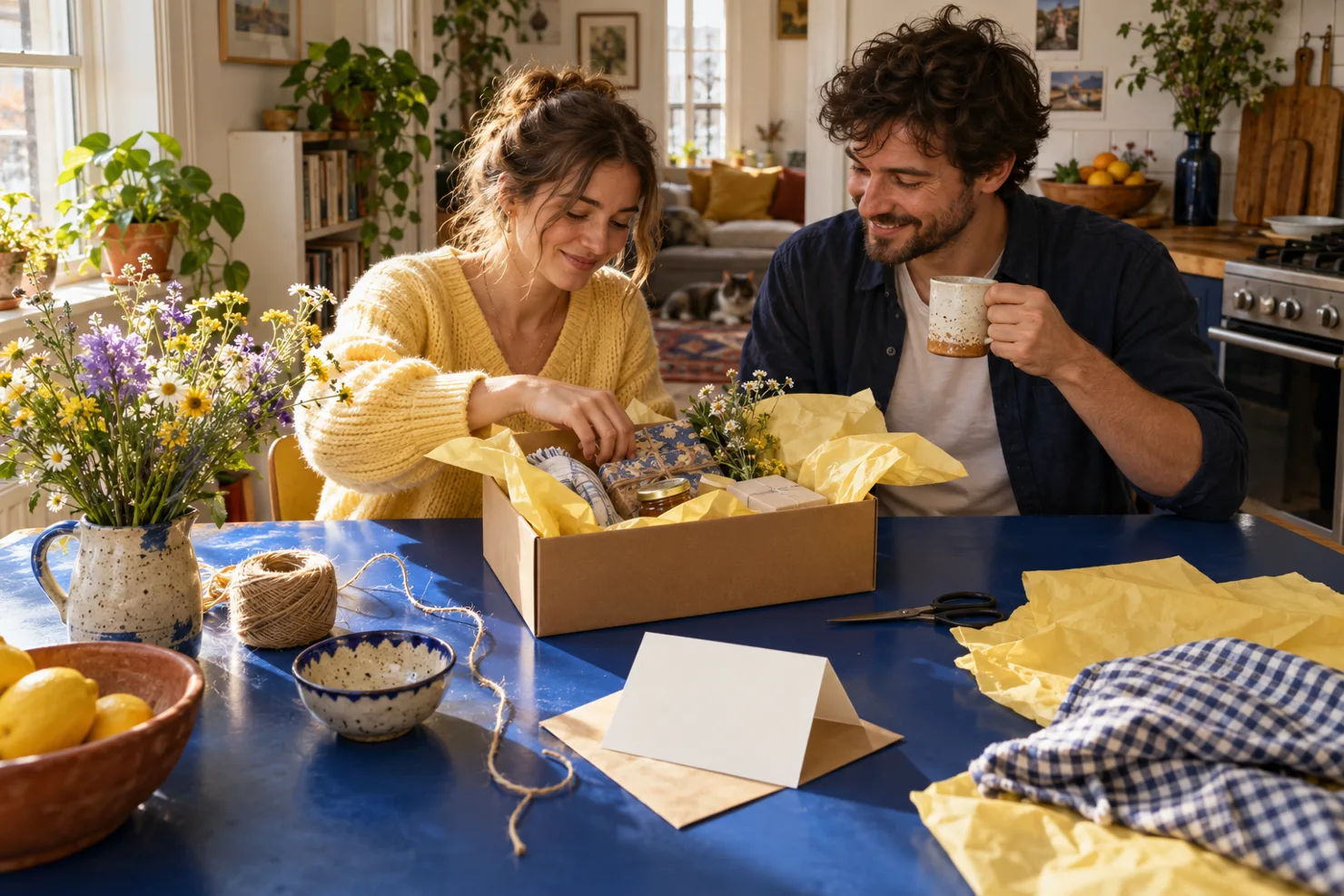 The little
We believe a thoughtful gesture should fit a real person and a real day. It could be a handwritten note on a difficult Tuesday, a birthday dinner with no complicated schedule, or a gift that quietly solves a problem. Pops & Podge collects practical ways to make those moments a little more considered.
The stories here begin with ordinary questions: What does this person use? What kind of time do they enjoy? How can a message sound like the sender? We look for choices that respect budget, space, privacy and the fact that people do not all celebrate in the same way. You can borrow an idea whole or use one small detail to shape your own.
Meet the publication ↗
You do not need a secret talent for shopping. Notice what someone actually does with their time, decide what kind of help or pleasure you want to give, and run a quick test against their everyday life.
Our practical guide walks through observations, budget, useful questions and the note that makes your choice feel like theirs.
Read the gift guide ↗Pick a place to begin. Each story has an action you can make your own.
Low-key birthday ideas with thoughtful details, timing and simple hosting plans.
Read the story
Meaningful anniversary plans for couples who prefer calm time together.
Read the story
A clear structure and examples for writing a group gift note that sounds human.
Read the story
How to choose personalized art by scale, placement and meaningful details.
Read the storyA person’s favorite soup. The route they like to walk. A photograph that brings back a story. You can build a celebration around a single true detail and leave the rest uncomplicated.
Plan a small birthday ↗Shared time is often easier to appreciate when both people know the plan. Keep the logistics light and make space for a real conversation. Our anniversary ideas start with a simple question: what would feel good to both of you?
Make a simple plan ↗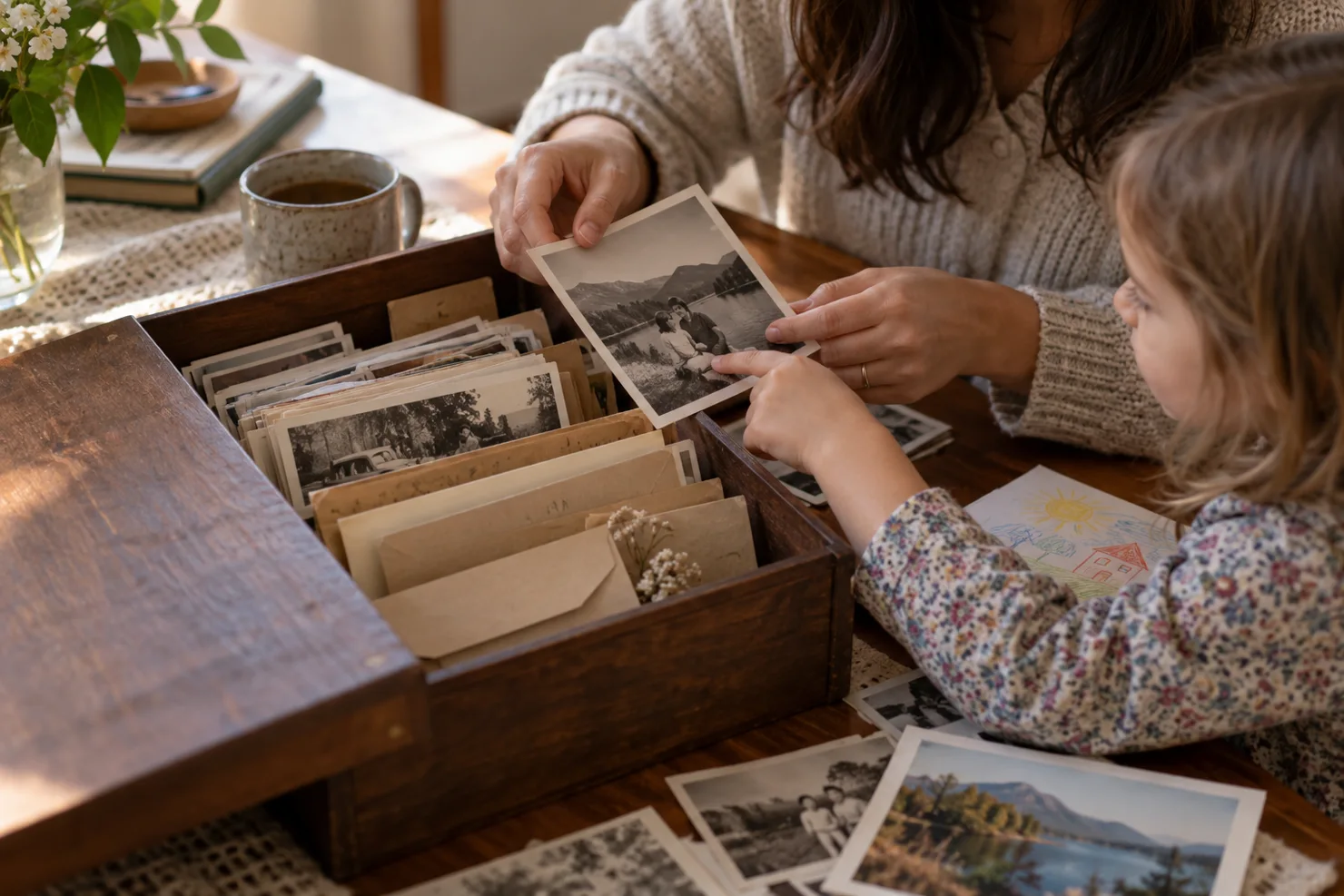
A simple system for collecting, labeling and protecting family mementos.
Read the story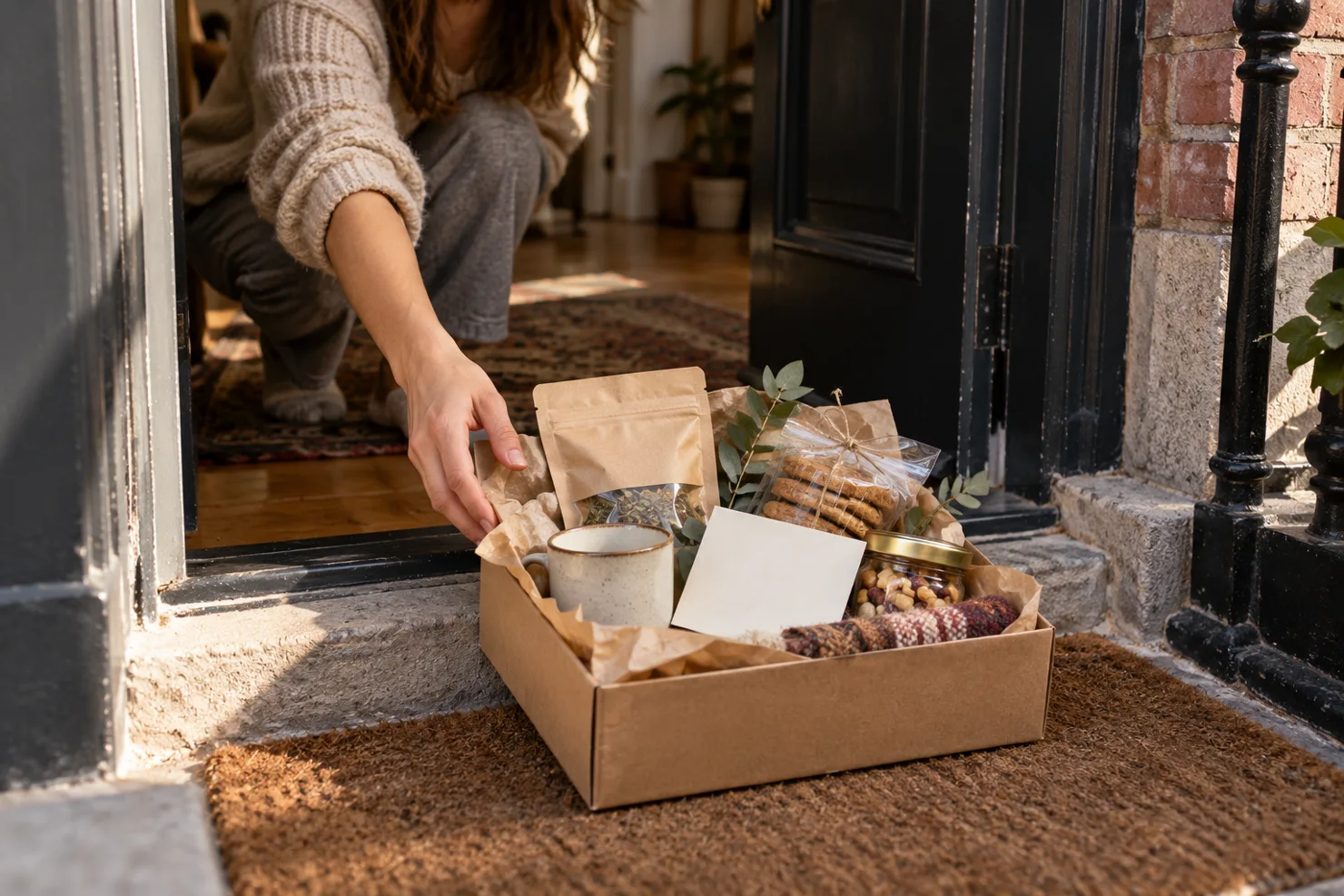
Build a useful care package around the recipient’s routine, space and needs.
Read the story
Create repeatable, flexible rituals for birthdays, ordinary days and changing families.
Read the storyWe write for the person trying to make a moment feel good without making it enormous. Our guides use concrete scenarios, practical checks and editable examples. We avoid invented experiences and do not treat the size of a purchase as a measure of care. Where a factual point calls for a source, we link to one; where an idea depends on taste, we say so.
Some articles include contextual links to other websites. A link does not replace your judgment about whether a product or idea fits. Read our editorial approach to see how we choose and review material.
Quick notes for the moments before you buy, host, write or remember.
Before saving gift links, list three things the person already uses or does. A keen reader may own a favorite edition; a gardener may need replacement gloves rather than another planter. Ask what part of their ordinary week could be easier, more pleasant or more personal. Consider their space, their current energy and whether the gift asks them to do more work.
For someone you do not know well, do not guess at clothing sizes, scent preferences or a hobby that requires specialized equipment. Ask directly or choose something that can be used up. A thoughtful gesture fits the recipient's life as it is, not the version of their life you imagine.
Use the gift checklist ↗A birthday brunch can revolve around a favorite dish; an evening visit can be about one game and a slice of cake. Pick the moment people will remember and make the logistics support it. Send a clear invitation with the time, food plan and a realistic finish. Prepare something that lets you sit down with guests instead of cooking throughout the event.
The setting does not need many decorations. A clean table, enough seats and a quiet place to talk have more value than a complicated theme. If the celebrated person dislikes public attention, skip the speech. Invite written notes they can open later. Good hosting includes noticing what makes the guest comfortable, then giving the day room to unfold.
Keep a birthday simple ↗Start a message by recalling one moment, habit or quality. “You always leave the best part of the walk for the conversation afterward” says more than a row of grand adjectives. Let the occasion set the tone: a birthday can be playful, while support during a difficult week may need plain, quiet language.
Group cards are harder because one sentence must speak for several people. Use a shared observation in the main message and leave room for each person to add a line. Read it aloud before signing. Cut a joke if the recipient may feel embarrassed, and verify every name. A card need not sound like a formal speech to be worth keeping.
Draft a group note ↗If you cannot be there on the day, be precise about how you will show up. Mail a card early, set a call that suits both people, or share a short voice message. A care package can be welcome, but check the recipient's address, availability and preferences before sending perishable food. The meaningful part may be the message inside rather than the contents of the box.
Think beyond the big date. A friend moving across the country may need encouragement on the first ordinary Monday more than on moving day. An anniversary spent apart can still include a shared meal on a call and a future plan put on the calendar. Reliability can be its own form of celebration.
Build a useful care package ↗A person's name, a date and a long quotation can compete with one another on a print. Choose one detail that will still feel meaningful a year later. Check the room where the item may live; a large artwork is difficult to give well if you have never seen the wall. Ask about color, scale or framing when you can. A small print that fits can be more welcome than a dramatic canvas.
Personalization can also live in the note. A plain object with a sentence about why it suits the recipient leaves them free to use it in their own way. For photographs and private stories, ask permission before turning the image into something meant for display. Care includes knowing which memories are theirs to keep private.
Choose art for real rooms ↗A photograph without names or a date can become a puzzle. When you put something away, write down who is pictured, where it came from and how sure you are of the details. A separate card works well; it keeps ink and adhesive off the original. A small labeled box is more usable than a large pile of memorabilia no one has time to sort.
Invite relatives to add their words. Their versions of the same day may differ, and that difference can be part of the story. Make copies when you want to display an irreplaceable image, and keep original photographs in appropriate storage. A memory is easier to share when the next person can tell what matters about it.
Start one memory box ↗For an anniversary or an ordinary date, agree on expectations before arranging a surprise. One partner may want a quiet evening; the other may hope for a trip. A quick conversation about time, budget and energy creates a shared starting point. The surprise can be a small detail within a plan both people already welcome.
Try returning to a place with a shared story or cooking a familiar meal. Ask one question that might lead somewhere unexpected. If the year has been difficult, an honest, modest celebration is enough. Let the day honor the relationship you have now instead of measuring it against a public image of romance.
Plan a quiet anniversary ↗A ritual becomes special because it returns. Pick something your household already likes: soup on the first cold evening, a seasonal walk, or one question asked at every birthday dinner. State the small action and leave the details open to change. Children grow, schedules shift and relatives move. A custom that can shrink for a busy year is more durable than a carefully staged event.
Ask the participants what they enjoy. If the meal becomes work but the conversation afterward is treasured, keep the conversation. Welcome new people without making them learn unspoken rules. And if a tradition has run its course, let it end kindly. The point is to make room for connection, not to create another task everyone must complete.
Start a repeatable ritual ↗It works in a real home, on a real schedule, for a person with their own tastes. That may sound obvious until a beautiful plan asks for three deliveries, a full day of preparation and a shelf that does not exist. We look for ideas you can simplify without losing their reason for being.
Consider a family keepsake. The value is not in the size of the box or the number of photographs inside. It is in a label that lets someone recognize the people, a copy that can be shared without harming the original and a story told while someone still remembers it. Small, legible work can outlast an ambitious project that never gets finished.
Or consider a gift. It does not need to be new, expensive or surprising. A favorite recipe, neatly written out, is a real gift if the recipient wanted it. Help with a task can be a gift if the help is welcome and the offer has a specific time attached. A store-bought object can be wonderful when it solves the right problem. The test is whether it fits.
These questions are useful before a purchase and before a gathering. They can also reveal that the best next step is to send a message, make a plan together or wait for a better moment. That is a useful answer, too.
Write the person’s name at the top of a blank card. Below it, add one memory that could only involve the two of you. Finish with a hope that fits their present life, not a grand prediction about the future. If the words sound unlike you, shorten them. You can put the card beside a gift, mail it by itself or read it aloud over a call.
If words are difficult, choose a practical action: send the recipe a friend asked for, confirm a date you promised to plan, or label the photograph you both keep mentioning. These are small tasks with a clear finish. They remind the other person that you paid attention.
Our articles offer more examples and checks for specific occasions, but the first step does not need a perfect plan. Pick a real detail and act on it while you remember it. A useful idea becomes meaningful when it reaches someone.
Pick one detail, write one honest sentence and give yourself permission to keep the plan small.
Share a story idea ↗