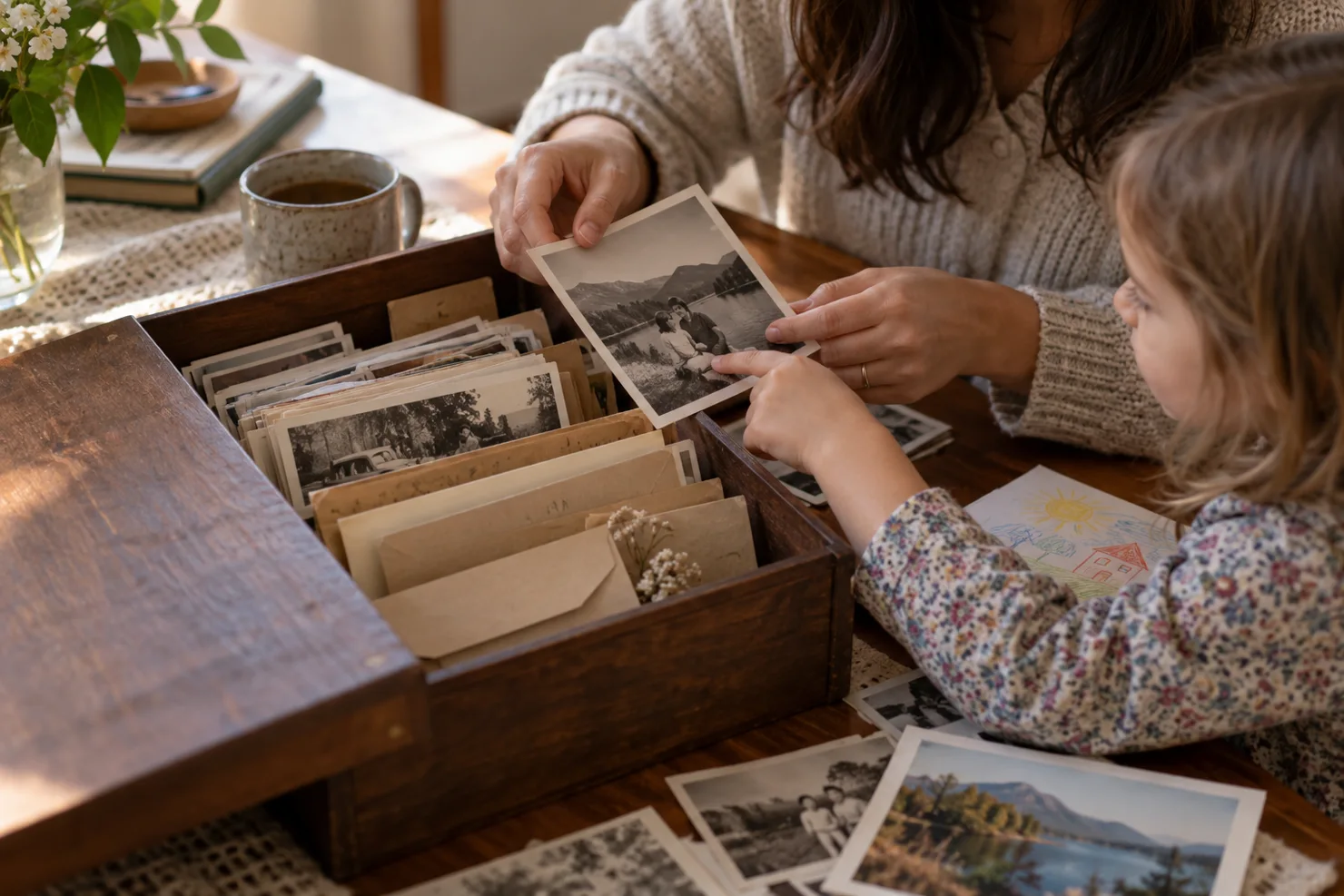
The most useful clue to a good gift rarely appears on a wish list. It shows up in the way someone spends an ordinary Tuesday: the mug they always reach for, the project they keep mentioning, or the errand they never have time to finish. Start there before you browse.
Make a small observation list
Write down three things the recipient actually does, one thing they repeatedly say they want to do, and one constraint. A constraint might be limited shelf space, a dislike of scented products, a shared home, or a strict food preference. These notes turn a vague hunt into a brief you can work with. “Enjoys cooking” is broad; “makes soup every Sunday and has a cramped kitchen” suggests useful, compact choices.
Do not confuse attention with surveillance. If you do not know their tastes well, ask someone close to them or choose something easy to use up. A consumable can be a safer choice than a permanent object that demands display.
Choose the kind of value you want to give
A gift can solve a recurring annoyance, support a hobby, create time together, or preserve a memory. Pick one primary purpose. Combining all four usually leads to an overstuffed basket. A reader who enjoys gardening might appreciate sturdy plant labels more than a novelty planter; a new parent might appreciate a delivered meal more than another decorative blanket.
| Clue | Possible direction | Check before buying |
|---|---|---|
| Busy routine | Time-saving help | Would they welcome help with this task? |
| Active hobby | Replacement supplies | Do they have preferred brands or sizes? |
| Shared memory | Small keepsake | Can you use a photo or detail they like? |
| Small home | Consumable or outing | Will it add clutter? |
Use a budget before browsing
Decide your comfortable total, including packaging, shipping and any outing costs. A simple $20 gift with a specific note often feels more considered than a $100 object chosen without context. A budget also helps you avoid turning a meaningful occasion into a comparison of price tags. If several people are contributing, agree on the total and the delivery plan first.
For a person who says they need nothing, give them control: a favorite bakery treat, tickets for a date they can choose, or supplies for something they already do. Avoid vouchers with complicated redemption terms.
Test the idea against real life
Before checkout, ask: Will they use it within a month? Does it require a new app, subscription, frame, batteries or shelf? Is the color or size guessable? Could they exchange it easily? An elaborate personalized object may be a poor fit if you are unsure about its wording. In that case, add the personal detail to a card instead of engraving it onto the item.
Presentation can clarify your intention. Put a recipe with a baking tool, or write a note explaining why you selected a certain photograph. The explanation should be one honest sentence, not a sales pitch.
When an experience fits better
Shared time works when you know the person's calendar and energy. Choose an invitation with a flexible date and make the logistics clear: where, how long, who is going and whether you are covering the cost. A surprise that requires childcare, a long drive or a free weekend can become an obligation. If the recipient prefers quiet time, an at-home movie night or a walk may be more welcome than an event ticket.
For couples, the same principle applies: a shared activity should match what both people enjoy. The date-night gift ideas at Gearcouple can be a browsing starting point, but use the pair’s actual routines to narrow the choice.
Finish with the message
Write what you noticed, why it reminded you of them, and what you hope it makes easier or happier. “You keep finding time to sketch on the train; I thought this pocket notebook might come along” has more personality than a generic compliment. If the gift arrives late, send the note on the day and say when the package should arrive.
Three mistakes worth avoiding
First, buying a version of your own hobby and hoping they will adopt it. Second, treating personalization as proof of usefulness; a printed name cannot fix a poor fit. Third, overexplaining a modest gift because it feels too small. A gift is an invitation to feel remembered, not a demonstration of spending power. Take the useful clue, choose a manageable gesture and let the note do its share of the work.
Choose differently for people you know differently
For a close friend, you can draw on specific observations: an unfinished project, a favorite bakery, or the book they keep borrowing. For a coworker, avoid guessing at intimate preferences. A useful desk item, a shared meal contribution or a modest local treat is less likely to cross a boundary. For a relative you rarely see, ask a direct question about their current interests. A good question can be warmer than a confident but misplaced surprise.
Children's gifts need a second audience: the adults who will store, clean or supervise the item. Check age suitability and household rules. For older relatives, avoid presenting practical help as a comment on what they cannot do. Ask about their preferences, and preserve their ability to say no.
Think through delivery and timing
A fresh bouquet may be lovely on an ordinary day but inconvenient right before someone travels. A large package may be unwelcome in a small apartment. If you are mailing a gift, check the shipping window and include your name on the card; a mystery box creates work for the recipient. For a party, a small item they can carry home easily is considerate. If the gift requires setup, offer help only if they want it.
Be careful with tickets or reservations: check availability first, and provide a flexible option when possible. If a gift arrives after an occasion, send the personal note on time and say plainly that the item is following. A late delivery does not erase the thought behind it.
Personal does not mean expensive or permanent
A single printed photo can be more useful than a large customized canvas. A playlist can be thoughtful when it comes with a short note explaining the songs. An afternoon helping a friend assemble furniture can be generous if you actually have the time and they welcome the help. The best personalization is evidence that you listened, not proof that a manufacturer printed their name.
When you cannot decide, narrow the question: “Would they enjoy using this, displaying it, or spending time with it?” If the answer to all three is uncertain, take a step back. Ask for a hint or give something flexible instead. That moment of restraint is part of choosing well.
Take one idea that fits the person in front of you. The small detail you can act on today is usually the best place to start.